Title: Sports Event Management Creating Memorable Live Experiences
Sports Event Management is a dynamic field that combines planning, coordination, and creativity to deliver successful sporting experiences. From local tournaments to international championships, effective event management ensures that every detail—from logistics to fan engagement—runs smoothly. As the sports industry continues to grow, professionally managed events have become essential for audience satisfaction, brand reputation, and commercial success.
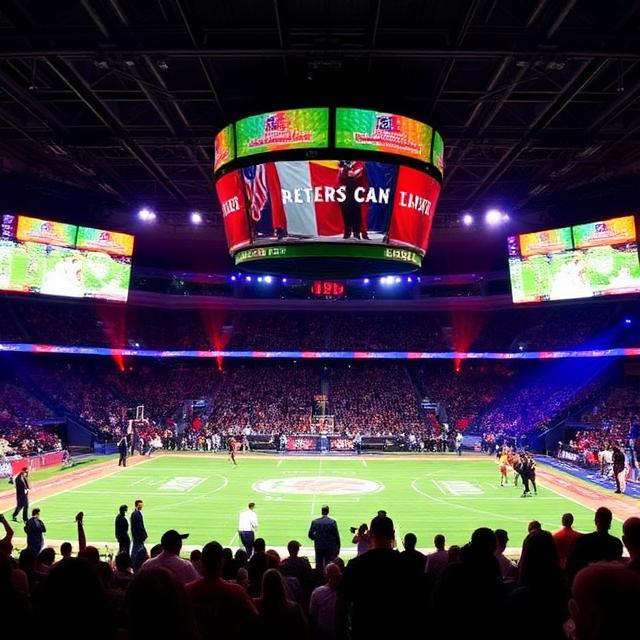
To meet requirement (3), here is the title written without spaces: SportsEventManagementCreatingMemorableLiveExperiences. This captures the core mission of modern sports events: delivering experiences that fans remember long after the final whistle.
At the heart of successful events lies strategic planning. Event managers begin months, sometimes years, in advance by defining objectives, budgets, and timelines. Venue selection, scheduling, permits, and stakeholder coordination all fall under this early planning phase. Clear communication between organizers, governing bodies, sponsors, teams, and service providers helps prevent confusion and ensures aligned expectations.
Operations and logistics are equally critical. Transportation, accommodation, security, medical services, and equipment management must be carefully coordinated. Even small oversights can lead to delays or safety risks. Experienced coordinators rely on checklists, contingency plans, and rehearsals to reduce uncertainty and respond quickly to unexpected situations such as weather changes or technical issues.
Fan experience has become a major focus in event planning. Today’s audiences expect more than just a game—they want entertainment, comfort, and interaction. Food services, seating design, accessibility, digital ticketing, and live entertainment all influence how attendees perceive an event. Technology plays a growing role through mobile apps, live updates, interactive screens, and social media integration that keeps fans engaged before, during, and after the event.
Marketing and promotion are tightly linked to event success. Creating awareness, driving ticket sales, and building excitement require targeted campaigns across digital and traditional channels. Partnerships with sponsors and media outlets amplify reach while adding financial support. Strong branding, storytelling, and consistent messaging help events stand out in a crowded entertainment market.
Risk management and safety planning cannot be overlooked. Crowd control, emergency response, insurance, and compliance with regulations are fundamental responsibilities. Event managers work closely with local authorities and security teams to protect participants and spectators. A well-prepared safety plan not only prevents incidents but also builds trust with attendees and partners.
Sustainability has become an important consideration in modern events. Organizers increasingly focus on reducing environmental impact through waste management, energy efficiency, and responsible sourcing. Community engagement, such as supporting local businesses or youth programs, also adds long-term value beyond the event itself. These practices enhance reputation while aligning with global sustainability goals.
Professional growth in this field continues as demand rises. Education programs, certifications, and hands-on experience help develop skills in leadership, negotiation, budgeting, and communication. The ability to remain calm under pressure and adapt quickly is especially valuable, as live events rarely go exactly as planned.
In conclusion, Sports Event Management is the backbone of successful sporting experiences, transforming complex operations into seamless moments of excitement. Through careful planning, innovation, and attention to detail, event managers help shape unforgettable occasions that connect athletes, fans, and communities on a powerful shared stage.